
How the Laser Cladding Process Works and Where It Is Used in Industrial Applications

image
A steel mill may have a roller that is still mechanically sound but has lost metal from its working surface. An oil and gas plant may find wear on a valve part, while a power plant may need to repair a damaged metal component. In each case, replacing the whole part may cost more than repairing the affected area. The laser cladding process offers one way to deal with this type of damage. It adds a layer of metal to a component using a laser beam. The added metal forms a bond with the original surface and gives the component the properties required for its intended use. The process is not limited to repairs. Manufacturers also use it to protect new components before they enter service. Whether it is suitable depends on the metal, the damage, and the conditions in which the part will operate. 

What happens when metal is laser cladded? 

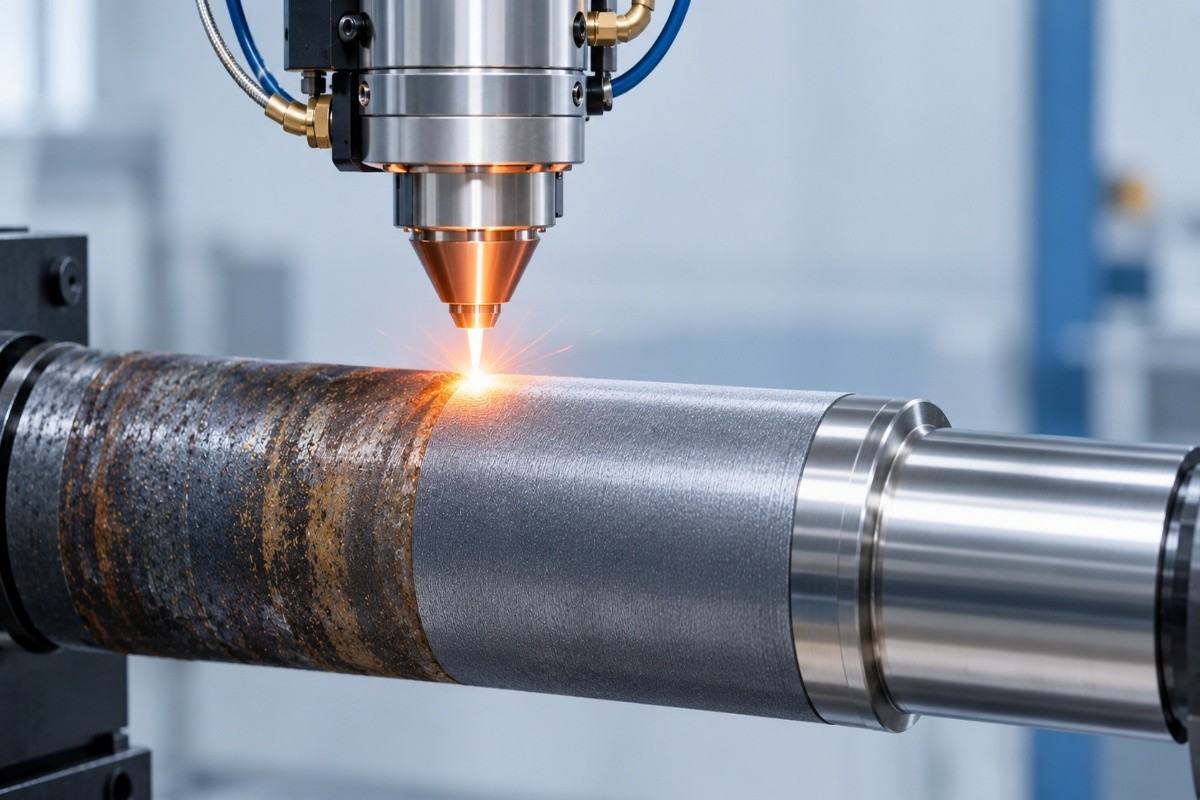
In laser cladding, a laser melts coating material onto a metal surface. The material is usually supplied as powder or wire. During deposition, a small amount of the base metal also melts. As the molten area cools, the two materials form a metallurgical bond. This bond is an important part of the process. The coating is not simply attached to the surface with an adhesive. It becomes bonded to the underlying metal. The coating material depends on the job. A component exposed to corrosive substances may need a corrosion-resistant alloy. A part that faces repeated contact or abrasion may require a wear-resistant material. For repair work, the added layer may also replace metal lost through use. The surface is then machined to bring the component back to its required dimensions. 

A closer look at the laser cladding process 

The work involves more than directing a laser at a damaged part. The component must be assessed, the coating selected, and the deposition controlled. 
  • Preparing the part 

The first step is to inspect the component and identify the area that needs treatment. Oil, dirt, rust, and other contaminants must be removed. If the surface is badly worn or uneven, machining may be needed before deposition. This inspection also helps determine whether the part is worth repairing. A component with serious cracks or structural damage may need a different solution. 
  • Setting up the coating material 

The coating alloy is selected according to the base metal and the working conditions. Its properties must suit the intended application, and it must be compatible with the component. The required coating thickness and finished dimensions are also established at this stage. These details guide the machine settings and the amount of material to be deposited. 
  • Depositing the metal 

The laser creates a small molten area on the component. Powder or wire enters this area and melts under the heat. The laser then moves along the planned path, leaving a layer of deposited metal behind. The operator controls the laser power, travel speed, and material feed rate. Poor control can lead to defects, uneven coverage, or unwanted mixing between the coating and the base metal. 
  • Finishing the component 

After the deposited metal cools, the surface is inspected. Excess material is removed through machining or grinding where necessary. The finished part is checked against the required dimensions and quality standards. Depending on the application, inspection may also include tests for cracks, bonding quality, or other defects. 

What makes up a laser cladding machine? 

A laser cladding machine combines several pieces of equipment to deposit metal along a controlled path. Its exact arrangement depends on the component and the work involved. The laser source supplies the heat. A feeder delivers powder or wire to the treatment area, while the cladding head directs the laser and material towards the surface. Motion controls guide the head or move the component during deposition. Some setups use automated movement to maintain a consistent path over complex surfaces. Larger components may need specialised fixtures or handling equipment. The machine alone does not determine the result. The operator's process settings, the condition of the component, and the selected coating material all affect the finished layer. 

Which industries use laser cladding? 

The process is useful where metal surfaces face repeated wear, corrosion, or demanding operating conditions. Its role varies from one industry to another. 
  • Steel and metal processing 

Rollers, shafts, and other production parts may lose material during repeated contact with metal stock. Laser cladding can rebuild suitable worn surfaces or add a protective layer to selected areas. This is particularly relevant when the component remains usable but its surface needs repair. 
  • Oil and gas 

Valves and other metal components may come into contact with fluids that cause corrosion or carry abrasive particles. A suitable cladding alloy can protect exposed surfaces, provided it meets the operating requirements. Pressure, temperature, fluid composition, and material compatibility must be considered before selecting a coating. 
  • Power generation 

Turbine-related parts, rotors, and other equipment may experience wear during service. Laser cladding can be considered for certain repair or surface protection jobs, subject to the component's design and material requirements. 
  • Paper and pulp manufacturing 

Rollers and shafts used in production may develop worn areas after long periods of operation. Cladding can restore selected surfaces, followed by finishing work to meet the required dimensions. 
  • Heavy engineering 

Hydraulic components, bearing journals, and industrial shafts may need localised surface repairs. If the underlying metal is in suitable condition, cladding may allow the damaged area to be rebuilt without replacing the complete component. 

When is laser cladding worth considering? 

Not every worn component needs the same treatment. Before choosing laser cladding, maintenance and engineering teams should look at the actual condition of the part. The method is worth assessing when: 
  • The damage is mainly on the surface rather than throughout the component 
  • The base metal remains suitable for further use 
  • A coating with the required wear or corrosion resistance is available 
  • The finished surface can be brought back to the required dimensions 
  • Repair costs and downtime compare favourably with replacement 
There are also limits to consider. Material incompatibility, extensive cracking, distortion risks, or difficult component geometry may make cladding unsuitable. The process and its cost should be assessed against other repair methods before work begins. 

What to check before hiring laser cladding services 

Choosing laser cladding services involves more than checking whether a provider owns the required equipment. The provider needs to understand the component and the conditions it faces during operation. Ask how the damaged part will be inspected, why a particular alloy is recommended, and how the coating thickness will be controlled. It is also worth confirming which finishing operations and quality checks are included. These details matter when a repaired part must fit existing equipment or meet strict operating requirements. A clear repair plan helps the maintenance team understand what the treatment can achieve and what limitations remain. 

A practical approach to component repair 

A worn surface does not always mean the entire component must be discarded. In suitable cases, laser cladding can rebuild lost material or add a layer chosen for the part's working conditions. The decision should follow an inspection of the component, not just the appearance of its surface. Depending on the component material and operating conditions, industries may also consider HVOF and HVAF coating solutions for wear and corrosion protection.EWS LLP provides laser cladding technology for industrial surface protection, repair, and refurbishment. Businesses assessing a component for treatment can visit the EWS LLP laser cladding technology page to learn about its offering and discuss their requirements. 


Email Call